It is tempting to use one CV for every job. It saves time and feels efficient. But in most cases, it costs you interviews. Recruiters and ATS tools are not just looking for strong candidates. They are looking for relevant candidates. A generic CV often hides that relevance.
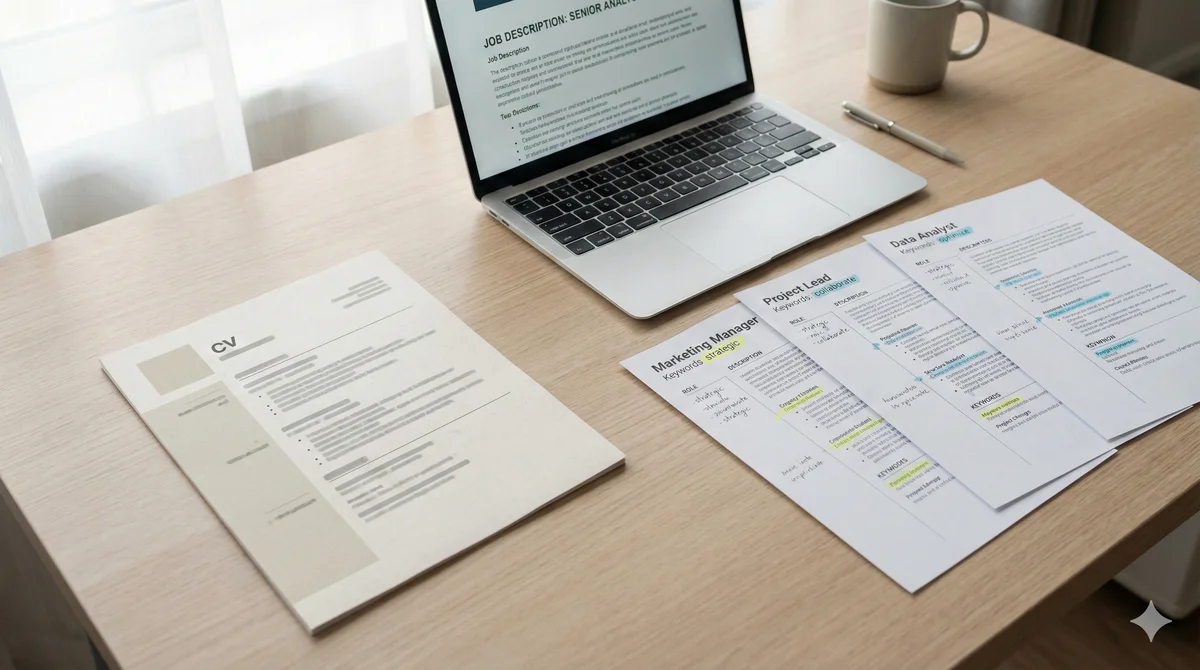
This article explains why one CV is risky, when it can work, and how to customize quickly without starting over each time.
Why one CV feels easier
A single CV reduces friction. You can apply fast, keep your story consistent, and avoid making mistakes under pressure. If you are applying to many roles, speed matters.
The problem is that a generic CV is designed to fit everyone, which means it feels specific to no one. It might look polished, but it does not immediately answer the employer's needs.
Why ATS punishes generic CVs
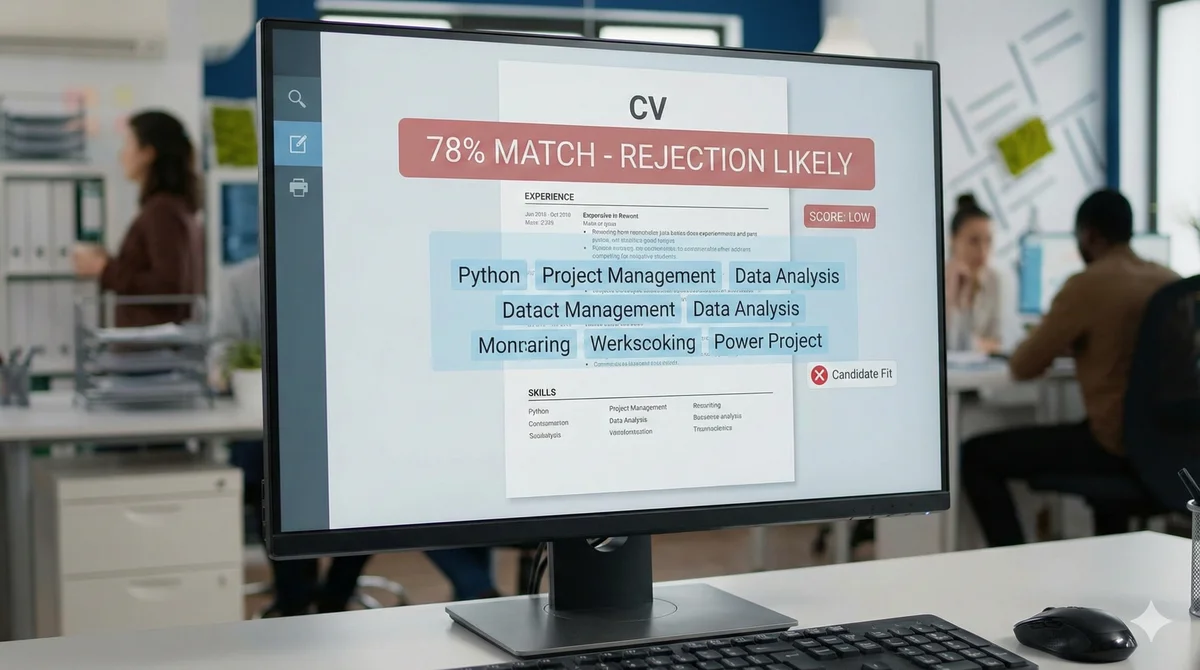
Most ATS tools are built to surface candidates who match specific keywords and requirements. If your CV does not include those terms, it can be filtered out regardless of overall quality. A generic CV tends to use broad language that is less likely to match.
For example, a role might emphasize "stakeholder management" and "cross-functional delivery." If your CV only says "collaborated with teams," the ATS may not count it as a match.
Recruiter perspective on relevance
Recruiters scan quickly. They look for evidence that you have done similar work, in a similar context, with similar tools. When your CV makes them work to find that evidence, they often move on.
Tailored CVs reduce that friction. They show the most relevant accomplishments first, making it easier to say yes to a phone screen.

When you can reuse a CV (rare)
There are a few cases where one CV is acceptable:
- You are applying to nearly identical roles in the same industry.
- The job descriptions share the same core skills and tools.
- You already have a CV that is highly focused on that exact role.
Even then, small tweaks can still improve results. A quick summary adjustment or keyword alignment can increase your match rate without significant extra work.
Smart way to customize quickly
The fastest approach is a targeted update, not a full rewrite. Use this 10-minute checklist:
- Update the headline or summary to mirror the role title.
- Align the skills list with the job description.
- Move 2 to 3 relevant bullets to the top of your most recent role.
- Remove or shorten unrelated bullets to keep the CV focused.
That small shift makes your CV feel tailored without a full redesign. It also keeps you consistent and reduces the risk of errors.
If you want to systematize this, you can customize your CV for each role with a structured alignment process that keeps edits quick and accurate.
Bottom line: a single CV may feel efficient, but a tailored CV is more effective. When relevance is obvious, you need fewer applications to get interviews.